

As electric vehicles continue to gain momentum around the world, Tesla remains at the forefront—bringing a unique blend of technology, performance, and sustainability to the global stage. Many of our customers are proud Tesla owners themselves. Beyond supplying high-quality products, we genuinely enjoy sitting down with them to talk about energy solutions, whether it's for their homes or their everyday lives. Some of our best conversations have started with a simple question from a client and a friend.
One topic that comes up often, especially when someone just took delivery of a new Tesla, is this: how long does it actually take to charge? As a trusted electric vehicle charger supplier, we take these questions seriously. So let's explore it together.
The answer really depends on two things: how much time you have and where you are.
Let’s break that down with a few examples.
Scenario 1: It’s your lunch break during a busy workday. You’ve got about an hour to spare, and you’re parked at a downtown mall that happens to have a Tesla Supercharger station. These chargers are no joke—V3 Superchargers can deliver up to 250kW at peak. In that one hour, you can add a significant amount of range, more than enough to cover the rest of your day’s driving.
Scenario 2: Now imagine you're in a small town off the beaten path. The only charging option nearby is a public Level 2 charger pushing out maybe 7kW. You might have the whole afternoon free, but even then, charging to full will take a good chunk of it—far longer than what you’d experience at a Supercharger.
Scenario 3: It’s the weekend, you're home, and time is on your side. You plug into your home charger—again, likely around 7kW. It’s not fast, but it doesn’t need to be. You’ve got all day or overnight. Plus, you get to enjoy lower electricity rates and the comfort of charging in your own driveway.
In short, charging time isn't one-size-fits-all. It depends on your schedule and the infrastructure available to you. Different locations offer different charging speeds, and your available time determines which option fits best.
Let’s take a closer look at the charging methods we just touched on.
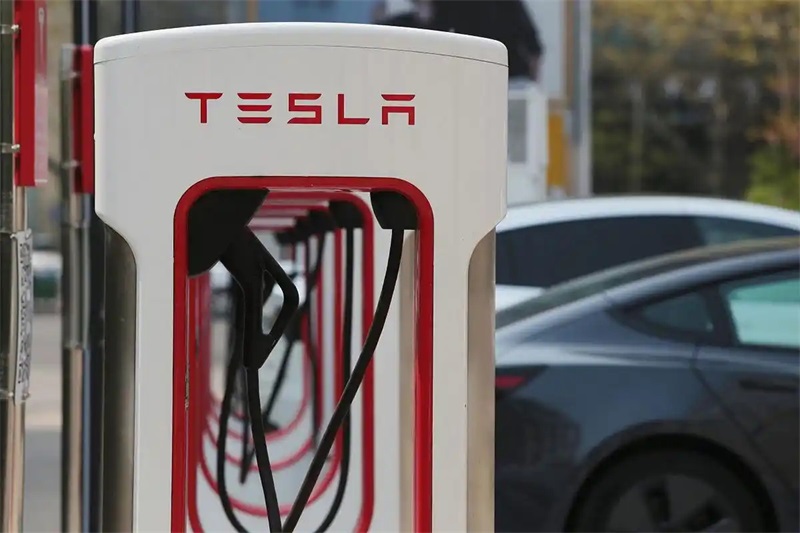
If you're in a hurry, this is the way to go. Tesla’s Supercharger network is designed for speed—up to 200 miles of range in as little as 15 minutes. A full charge at a Supercharger usually wraps up in about an hour. Of course, results can vary based on battery level, preconditioning, and outside temperature. In one test by MotorTrend, a Tesla Model S Plaid charged from 5% to 95% in 51 minutes using a V3 Supercharger with a preconditioned battery. Meanwhile, some newer models with lithium-iron-phosphate batteries (like certain Model 3 and Model Y trims) have been seen charging from 0 to 100% in just about an hour.
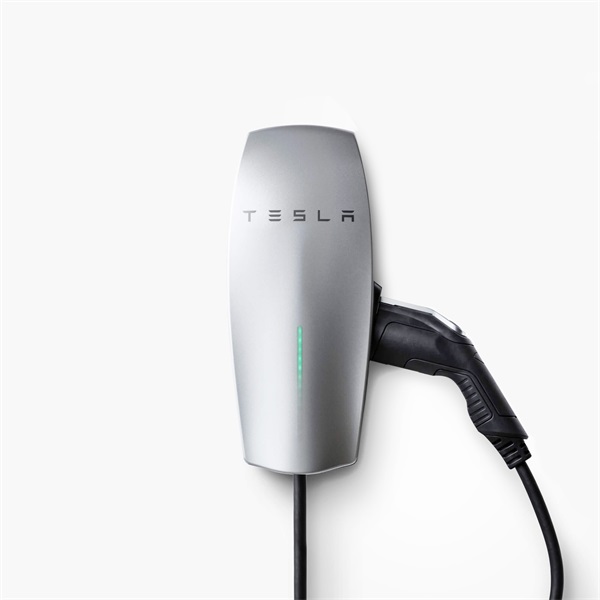
Tesla recommends home charging whenever possible—it's easier on the battery and incredibly convenient. With a Tesla Wall Connector or a quality third-party Level 2 charger, you can deliver up to 11.5kW at 240V. At full output, that means adding 35–44 miles of range per hour, depending on your model. A full charge typically takes between 8 and 10 hours. But honestly? Most owners don’t charge from empty to full. The best habit is to plug in when you hit 20-30% and set a daily limit around 80-90%. That kind of routine keeps the battery healthy and ready to go. Saving that full 100% charge? That’s for road trips.
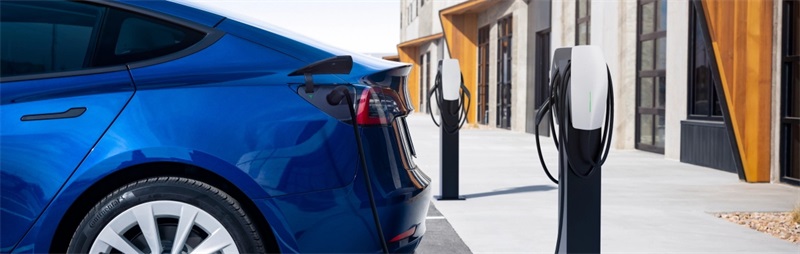
Out for dinner or exploring a new town? You'll often find Level 2 chargers at hotels, restaurants, shopping centers, and public lots. Many are Tesla Destination Chargers, but if you come across a J1772 connector (the standard for most other EVs), your Tesla includes an adapter that makes it work. In theory, these can deliver similar speeds to a home wall connector—up to 44 miles per hour. In reality, though, many public units top out around 6–7kW, adding 20–30 miles per hour. That means a full charge for a Model X could stretch to nearly 18 hours.
To sum it up:
● Tesla Superchargers are the speed champs—up to 200 miles in 15 minutes.
● A full charge at a Supercharger usually takes around one hour.
● At home with a Wall Connector, you're looking at under 10 hours for a full charge.
Every Tesla owner’s routine is a little different, and the best way to figure out yours is to get out there and see what works for you. Whether you're charging during a quick stop or overnight at home, understanding these options helps you make the most of every mile.
Contact Person: Miss. Kiki
| WhatsApp : | +8617763224709 |
|---|---|
| Skype : | +8617763224709 |
| WeChat : | +8617763224709 |
| Email : | kiki@lifepo4-battery.com |
