
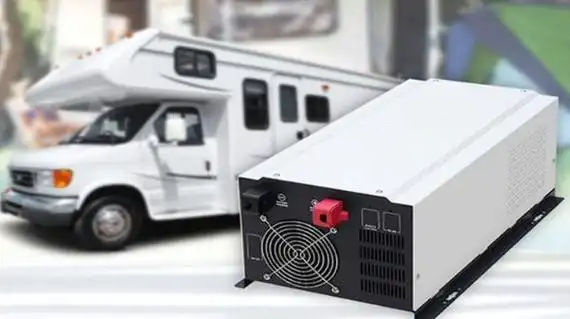
In the world of RV living, having the right equipment can greatly enhance both comfort and convenience. One essential device every RV enthusiast should consider is an inverter. Let’s take a closer look at why an inverter is a must-have, how it functions, and the different types available to meet your needs.
An inverter is an electronic device that converts low-voltage direct current (DC) from your RV’s battery into high-voltage alternating current (AC), typically 220 volts. This conversion is essential because most household appliances and electronics require AC power to run. While everyday electrical systems often convert AC to DC, an inverter does the reverse—hence the name “inverter.”
In today’s mobile lifestyle, access to both DC and AC power is crucial. Whether you’re working remotely or enjoying entertainment on the road, an inverter allows you to power everything from laptops to coffee makers, making life on the move smoother and more enjoyable.
Inverters are primarily categorized into two types based on their output waveform: sine wave inverters and square wave inverters. Here’s a breakdown of their features:
1. Sine Wave Inverters
A sine wave inverter produces AC power that closely resembles the electricity supplied by the grid. It’s ideal for sensitive electronics because it doesn’t create electromagnetic interference. Sine wave inverters deliver stable, high-quality power suitable for all types of electrical loads, though they tend to be more expensive and technically advanced.
2. Square Wave Inverters
Square wave inverters generate a less stable, lower-quality AC output. Their waveform switches abruptly between maximum positive and negative values, which can cause instability in connected devices. These inverters are less efficient and can typically only handle 40–60% of their rated capacity. They are also not suitable for inductive loads, as the sharp waveform transitions can damage equipment.
3. Modified Sine Wave Inverters
Modified sine wave inverters offer a middle ground between sine wave and square wave types. Their waveform appears as a series of stepped lines rather than smooth curves. While not as refined as pure sine wave inverters, they provide a cost-effective and efficient solution for many common devices. They work well with items like laptops, chargers, and small kitchen appliances but are not recommended for sensitive or inductive loads.
Inductive loads are devices that operate using electromagnetic induction, such as motors, compressors, and fluorescent lights. These appliances require a much higher starting current—often 3 to 7 times their normal operating current—to start up. For example, a refrigerator that uses 100 watts while running may need over 900 watts just to start.
The back electromotive force produced when switching inductive loads on or off can exceed the voltage tolerance of many inverters, potentially causing overloads and shortening the inverter's lifespan. Therefore, devices with inductive loads need an inverter with robust power delivery and a compatible waveform.
Modified sine wave inverters are versatile and can power a variety of devices, making them a popular choice for RVs. Here’s how they can be used:
Ideal Uses: These inverters are suitable for laptops, televisions, video cameras, digital cameras, printers, and various chargers. Larger modified sine wave models can also run small electric heating devices like hair dryers, electric kettles, and certain kitchen appliances.
Limitations: Despite their versatility, modified sine wave inverters are not recommended for prolonged use with inductive loads such as refrigerators, electric drills, or other high-power appliances. Doing so may damage the inverter or connected devices and reduce their lifespan.
When selecting an inverter, consider the kinds of devices you’ll be powering and the quality of electricity they require. A sine wave inverter is a reliable option if you need stable, high-quality power for sensitive electronics. If you’re looking for a budget-friendly solution that meets most basic needs, a modified sine wave inverter may be the perfect fit.
Also, make sure your inverter’s power rating meets or exceeds the demands of your appliances—especially those with inductive loads. Investing in the right inverter will not only improve your RV experience but also protect your devices and extend the life of your power system.
An inverter is an indispensable tool for any RV owner, offering the flexibility to power essential devices and appliances while traveling. Understanding the differences between sine wave, square wave, and modified sine wave inverters will help you choose the best one for your specific needs. With the right inverter, you can fully enjoy the freedom of life on the road without sacrificing comfort or convenience.
Next:CALB Unveils UP High-Energy Aviation Battery to Power the Trillion-Dollar Low-Altitude Economy
Previous:EVE Energy and Vimab BESS AB Sign 1.48 GWh Nordic Energy Storage Deal
Contact Person: Miss. Kiki
| WhatsApp : | +8617763224709 |
|---|---|
| Skype : | +8617763224709 |
| WeChat : | +8617763224709 |
| Email : | kiki@lifepo4-battery.com |
