


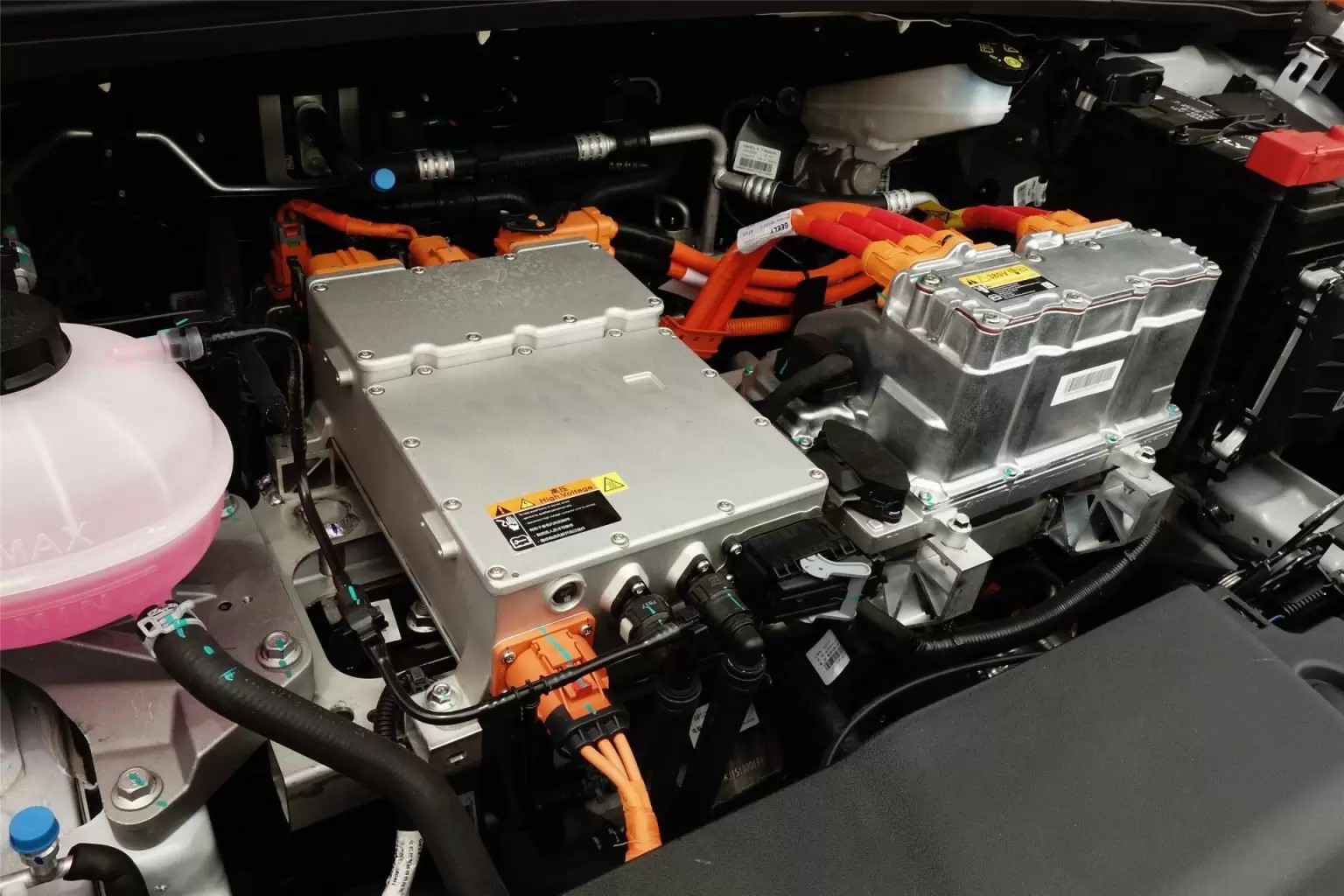
In the realm of electric and electric-powered vehicles, the onboard charger (OBC) is a vital component responsible for efficient and reliable charging. Choosing the correct OBC for a vehicle demands careful evaluation of several factors to align with the specific needs of the application. This guide explores the essential considerations when selecting an onboard charger.
Before beginning the selection process, it’s important to grasp the fundamental role of an OBC. Essentially, it converts AC power from a charging station into DC power to recharge the vehicle’s battery. The OBC’s capacity, efficiency, and compatibility directly influence charging speed, range, and overall vehicle performance.
1. Voltage and Current Requirements
Match the OBC’s specifications to your vehicle’s battery system. Ensure compatibility in voltage and current ratings to enable optimal and safe charging.
2. Charging Speed
Charging speed depends on the OBC’s power output. Consider your typical usage and charging needs. Higher-power OBCs offer faster charging but may increase cost and weight.
3. Size and Weight
The physical dimensions and weight of the OBC affect vehicle design and performance. Account for available space and weight limits to ensure smooth integration.
4. Efficiency
Select an OBC with high efficiency to reduce energy loss during charging. An efficient unit shortens charging time and supports greater energy savings.
5. Safety Features
Prioritize OBCs with built-in protections such as overcurrent, overvoltage, and temperature monitoring. These features help ensure safe and dependable charging operations.
6. Compatibility
Verify that the OBC is compatible with your vehicle’s charging infrastructure, including charging stations and communication protocols, for a seamless charging experience.
7. Cost and Warranty
Evaluate the OBC’s price relative to its features and performance. Also, review the manufacturer’s warranty to protect against potential defects or failures.
Selecting the right onboard charger significantly impacts an electric vehicle’s performance, efficiency, and reliability. By assessing factors such as voltage and current requirements, charging speed, size, efficiency, safety, compatibility, cost, and warranty, you can make a well-informed decision. Always tailor your choice to your vehicle’s specific requirements. With the appropriate OBC, you can optimize charging performance and enhance your overall electric driving experience.
Next:none
Previous:EVE Energy Debuts CCS-Certified Marine Battery Safety Systems at Marintec China 2025
Contact Person: Miss. Kiki
| WhatsApp : | +8617763224709 |
|---|---|
| Skype : | +8617763224709 |
| WeChat : | +8617763224709 |
| Email : | kiki@lifepo4-battery.com |
