

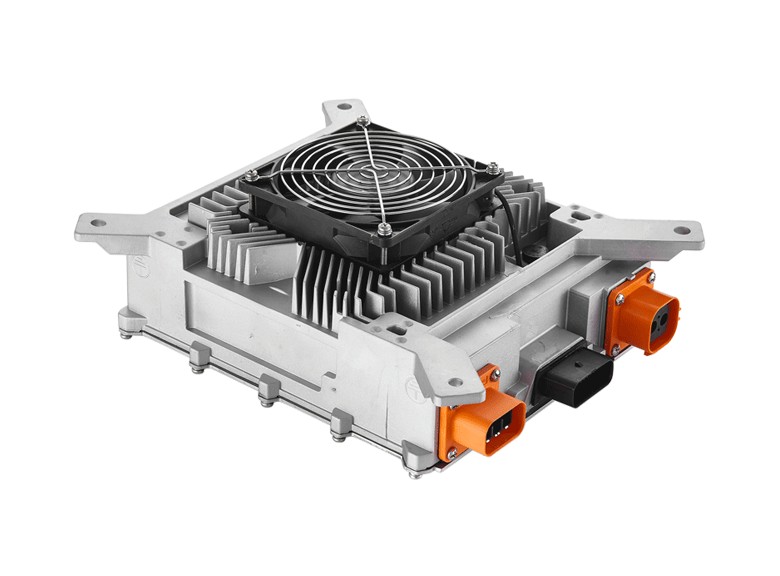
Batteries now power an enormous range of equipment, including phones, computers, vehicles, workshop tools, and camping accessories. With so many devices depending on stored power, a dependable charger has become part of everyday life. The correct model does more than refill a battery. It helps preserve capacity, reduce replacements, and prevent the frustration of reaching for a device that is not ready. This guide walks through the main charger categories, the features worth checking, and the habits that keep batteries healthy.
Chargers are not interchangeable, and the best choice depends on how you plan to use it. Most buyers encounter three main categories:
- Automatic or “smart” chargers: These are the simplest option for most households. They read the battery’s condition, modify the current as needed, and cut power when the battery reaches full capacity. That reduces the risk of overcharging and helps the battery last longer. They work well for routine home, office, and everyday use.
- Fast chargers: Fast chargers are built for speed. By supplying more current, they shorten recharge times. They suit people who need equipment back in service quickly, such as commuters, contractors, or campers who cannot wait for a slow charge.
- Trickle chargers: These are maintenance tools rather than rapid refillers. They apply a small, continuous current, which is useful for batteries that sit unused for months, such as those in cars, boats, or seasonal equipment.
To avoid a charger that underperforms or causes damage, pay close attention to these points:
- Compatibility: Confirm that the charger supports your battery’s voltage and chemistry. Lead-acid and lithium-ion packs, for example, have different requirements. A mismatch can harm the charger, the battery, or both.
- Safety protection: Choose a model that guards against excessive voltage, overheating, and short circuits. These safeguards lower the chance of accidents and costly damage.
- Portability: If the charger will travel, size and weight become important. A compact unit is easier to store in a vehicle, backpack, or tool chest.
A low price may look appealing at checkout, but it can prove expensive later. Units that overcharge or undercharge shorten battery life and lead to more frequent replacements. A well-made charger, by contrast, delivers steadier charging and better long-term value. It protects the batteries you already own and reduces the money you spend replacing them.
Follow the manufacturer’s instructions. Keep charging away from temperature extremes; both heat and cold can reduce performance and harm battery health. When equipment will be stored for a long period, connect a trickle charger to maintain it.
Selecting a charger is manageable when you focus on three questions: What kind of charging do I need? Is it compatible? Does it offer proper protection? Answer those, and you can keep your batteries—and your devices—ready when you need them.
Welcome to contact us:
Inquire more product details from the: On-Board Charger Suppliers
WhatsApp/Wechat/Skype/Mobile: +8617763224709
Email: kiki@lifepo4-battery.com
Website: www.evlithiumcharger.com
Contact Person: Miss. Kiki
| WhatsApp : | +8617763224709 |
|---|---|
| Skype : | +8617763224709 |
| WeChat : | +8617763224709 |
| Email : | kiki@lifepo4-battery.com |
