

Your electric vehicle’s on-board charger (OBC) is the quiet workhorse that rarely gets the attention it deserves. Unlike portable charging cables or public DC fast chargers, this built-in unit converts the AC power from your home or a standard outlet into the DC power your EV battery needs.
Even the most advanced battery becomes useless without a properly functioning on-board charger. Still, many drivers ignore routine care for this vital component, which can lead to surprise failures, expensive repairs, and a noticeably shorter service life. In this guide, we’ll walk through everything you should know about looking after your OBC—from the most common hazards to practical steps that will keep it running smoothly for years.
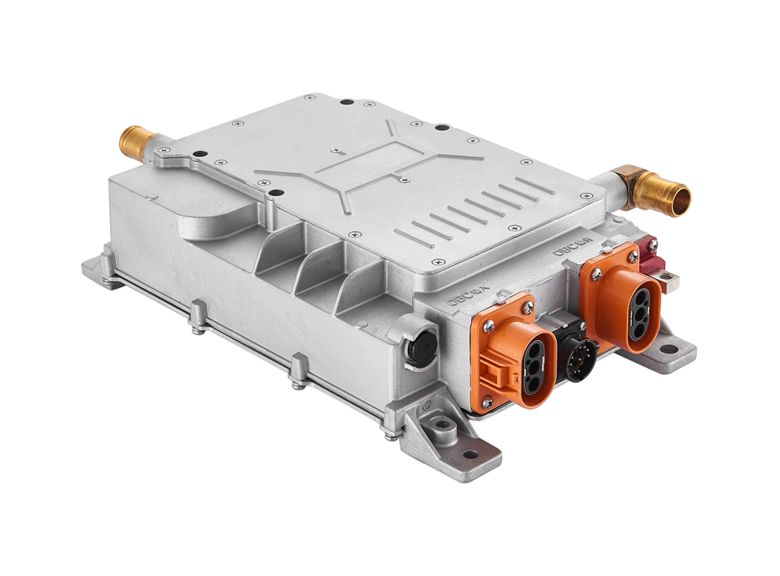
Before we get into maintenance, it helps to understand what your on-board charger actually does. The OBC is a compact, high-power electronic system fitted to every EV. It handles the entire AC-to-DC charging process: regulating voltage, managing charging speed, and making sure the battery receives a safe, steady current. This protects against overcharging, excessive heat, and long-term damage to the battery pack.
Unlike off-board fast chargers that handle power conversion externally, your on-board charger is always with the car, making it essential for home charging, workplace top-ups, and any time you use a regular AC outlet. A healthy OBC delivers consistent charging performance, safeguards your battery’s long-term health, and directly influences your EV’s driving range, efficiency, and resale value.
On-board chargers are built to be durable, but they aren’t immune to wear and tear. Several everyday factors can quietly degrade your OBC over time:
- Overheating and Poor Ventilation: OBCs generate a fair amount of heat, particularly during higher-power charging. If the charging port or the OBC’s internal cooling system gets clogged with dirt, leaves, or debris, that trapped heat can stress sensitive electronics, lowering efficiency or causing early failure.
- Voltage Fluctuations and Unstable Power: Plugging into an ungrounded socket, a worn-out extension cord, or a supply with unstable voltage can send power surges through your OBC. These spikes can fry circuit boards and capacitors—sometimes with immediate damage, sometimes gradually.
- Environmental Exposure: Extreme temperatures, dampness, and road grime all take their toll. Water from flooded parking areas, salt corrosion in coastal climates, or dust buildup in the charging port can weaken seals and harm internal electronics, leading to slower charging or complete breakdown.
- Overusing High-Power AC Charging: While many modern OBCs can handle fast AC charging, consistently pushing them to their maximum rate (e.g., 11 kW or higher) can accelerate wear. The constant heavy load raises both heat and stress on the components, trimming their overall lifespan.
Most OBC issues can be avoided with some simple, regular attention. Use these expert tips to keep your on-board charger in top shape:
1. Keep the Charging Port Clean and Dry
Your charging port is the entry point to the OBC, so keeping it free from debris, moisture, and corrosion is crucial. Every few months—and more often if you drive in dusty or wet conditions—inspect the port for dirt, leaves, or signs of water. Gently clean it with a soft, dry cloth or a blast of compressed air. Never use water or harsh chemicals, which can damage the electrical contacts. If you spot corrosion on the pins, a small amount of automotive-grade electrical contact cleaner can help safely remove buildup.
2. Use Only Grounded, High-Quality Power Sources
Always plug your EV into a properly grounded outlet, especially for home charging. Steer clear of cheap, uncertified extension leads or multi-socket adapters; they can cause voltage drops or surges that harm your OBC. If a temporary extension cord is unavoidable, choose a heavy-duty, UL-listed cord rated for your charger’s power level—at least 14 gauge for 120 V and 10 gauge for 240 V Level 2 charging. For home setups, investing in a certified Level 2 charging station that matches your EV’s OBC specifications ensures stable, clean power.
3. Prevent Overheating Harm to the Charger (and Your EV)
Heat is the number one enemy of your on-board charger. To keep temperatures in check:
- Charge in a shaded, well-ventilated spot, especially on hot days. Avoid direct sunlight or tight, enclosed spaces like a closed garage with poor airflow.
- If your OBC has a cooling fan, listen for any unusual grinding or whirring while charging—these sounds can signal a failing fan that needs attention.
- Don’t plug in right after high-speed driving or in very hot weather. Give the battery and OBC about 15–20 minutes to cool down first.
4. Follow the Manufacturer’s Charging Guidelines
Every EV’s on-board charger has specific power and voltage limits, and exceeding them can cause permanent harm. Check your owner’s manual for:
- The maximum AC charging rate your OBC supports (e.g., 3.6 kW, 7.2 kW, or 11 kW). Using a charger that delivers more power than the OBC is rated for pushes the unit into overwork, creating excess heat and wear.
- Recommended habits like avoiding charging to 100% every day (keeping the battery between 20% and 80% eases stress on both the battery and OBC) and using scheduled charging to take advantage of off-peak, cooler periods.
5. Schedule Regular Professional Inspections
Even with diligent home care, some OBC problems stay hidden from view. Have a certified EV technician inspect your vehicle every 1–2 years, or sooner if you spot warning signs (see below). A professional can test the OBC’s output voltage, look for internal corrosion or component wear, and confirm the cooling system is functioning properly—catching small issues before they evolve into major repair bills.
Spotting OBC trouble early can save you thousands in repairs. Watch for these red flags:
- Charging speed is slow or inconsistent, even when using a power source you know works well.
- The charging port or cable becomes unusually warm during charging—more than the typical mild heat-up.
- Dashboard alerts linked to the charging or power system appear.
- The battery doesn’t hold a charge as well as it used to, even after a full cycle.
- You hear odd buzzing, clicking, or humming from the charging port area when plugged in.
If any of these signs show up, stop using the charger right away and have your EV inspected by a qualified technician. Continuing to operate a degraded OBC can damage the battery pack itself, setting you up for even costlier fixes.
Your on-board charger may be small, but it plays a huge role in your electric vehicle’s everyday life. A little routine care goes a long way toward protecting your investment. By keeping the charging port clean, relying on stable power sources, avoiding overheating, sticking to the manufacturer’s recommendations, and booking regular professional checkups, you can extend the life of your OBC and enjoy reliable charging for many years.
Remember: a well-maintained on-board charger means a healthier battery, stronger performance, and fewer unexpected breakdowns on the road. Don’t wait for problems to appear—start weaving these simple maintenance habits into your routine today.
Q: How long does a typical on-board charger last?
A: With proper care, most OBCs last 8 to 10 years, roughly matching the lifespan of the battery pack. Poor maintenance or consistently pushing the OBC with high-power AC charging can shrink this to 5 to 7 years.
Q: Can I replace an on-board charger myself?
A: No. Replacing an OBC requires specialized expertise in EV high-voltage systems. Always use a certified EV technician for any repair or replacement work.
Q: Does using DC fast chargers damage my on-board charger?
A: No—DC fast chargers completely bypass the OBC, so they don’t put any strain on it. The greater risk comes from routinely using high-power AC charging at the OBC’s maximum capacity.
Inquire more product details from the: Battery Charger Suppliers
WhatsApp/Wechat/Skype/Mobile: +8617763224709
Email: kiki@lifepo4-battery.com
Website: www.evlithiumcharger.com
Next:CATL Signs MOU with Zinfra for BESS Projects in Australia
Previous:ProLogium Secures Gold Edison Award for Gen4 Solid State Battery
Contact Person: Miss. Kiki
| WhatsApp : | +8617763224709 |
|---|---|
| Skype : | +8617763224709 |
| WeChat : | +8617763224709 |
| Email : | kiki@lifepo4-battery.com |
